Catawba County News
Increase in Legionnaire's Disease Seen Globally and Locally
Published: June 23, 2026
INCREASE IN LEGIONNAIRE’S DISEASE SEEN GLOBALLY, LOCALLY
HICKORY — Catawba County Public Health is raising awareness of Legionnaires’ disease as cases have increased across the globe and locally in recent years.
North Carolina reported 310 cases in 2025 compared to 201 cases in 2024. Similarly, Catawba County had six reported cases in 2025 compared to three in 2024. Most cases tend to be reported in warmer months and so far, 2026 is no exception.
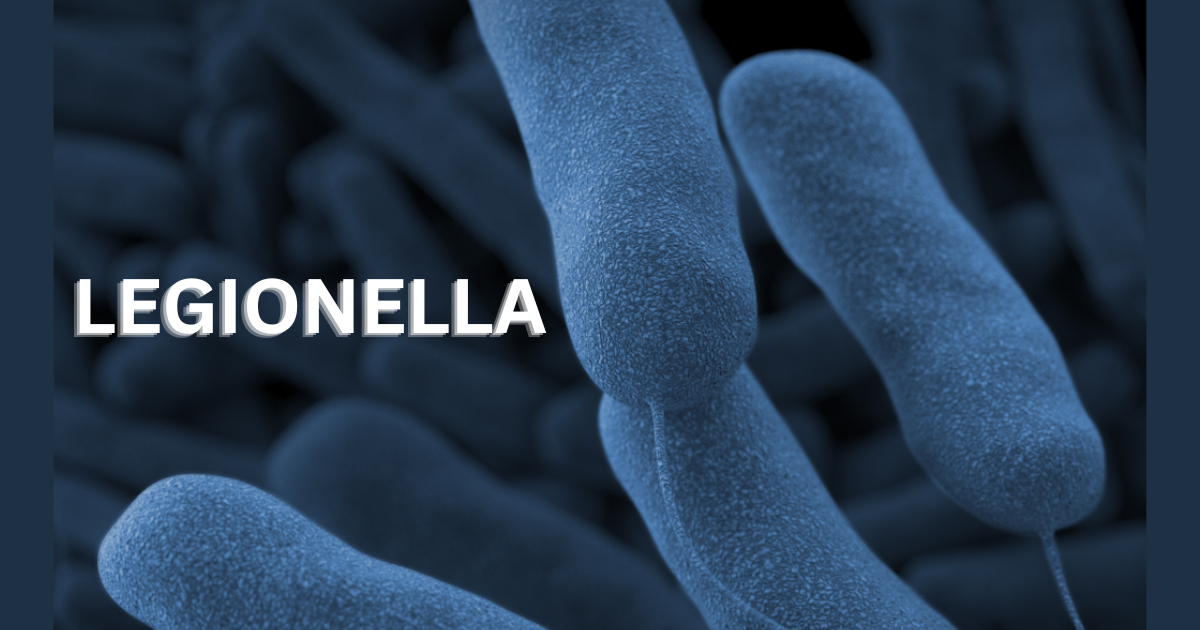
Legionnaires’ disease is a serious type of pneumonia caused by the Legionella bacteria. Legionella bacteria live in both natural and man-made wet environments, including bodies of water, moist soil and water systems such as hot tubs, decorative fountains, air conditioning cooling towers, hot water tanks and misting devices that have been poorly maintained. People can then inhale mist or vapor contaminated with Legionella. It is not spread person to person and most healthy people who are exposeddo not get sick. People at higher risk of illness include those who are age 50 and older, current or former smokers, people with compromised immune systems, and people with certain health conditions or issues such as chronic lung disease, kidney failure, and diabetes.
The most important way to prevent Legionnaires’ disease is to prevent growth of Legionella in facility and home water systems.
Home prevention
- Flush faucets or showerheads if they have not been used for three or more days, or if the home water system was turned off for plumbing work.
- Ensure proper maintenance and disinfection of hot tubs and fountains. Legionella can spread in hot tubs and fountains due to warm water temperatures and aerosolization from water jets.
- Use water following the manufacturer’s recommendations for in-home medical equipment such as humidifiers and CPAP or BIPAP machines. Clean the equipment parts and accessories regularly.
- Follow the manufacturer’s instructions for cleaning and replacing all water filters, including point-of-use filters (tap or refrigerator water/ice maker).
- Drain garden hoses to avoid stagnant water. People at particularly high risk should talk to their doctor about if wearing a mask while doing gardening work would be beneficial.
- Use proper windshield wiper fluid as Legionella can grow in the wiper fluid tank if tap water is added.
For more information, visit the NCDHHS Legionellosis webpage or reach out to your local health department.